
Reimagining blood draws to address
hemolysis in Emergency Medicine

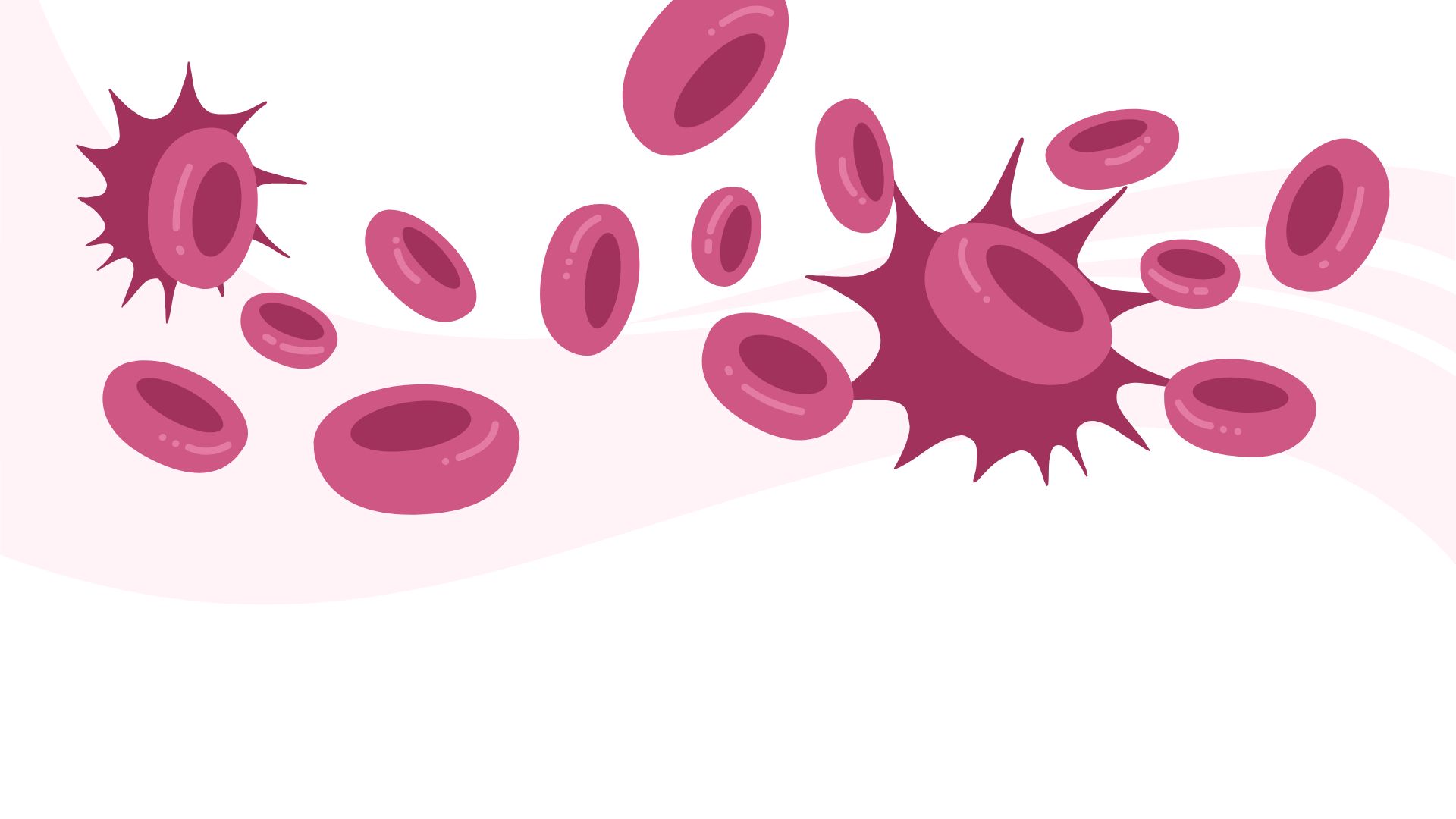
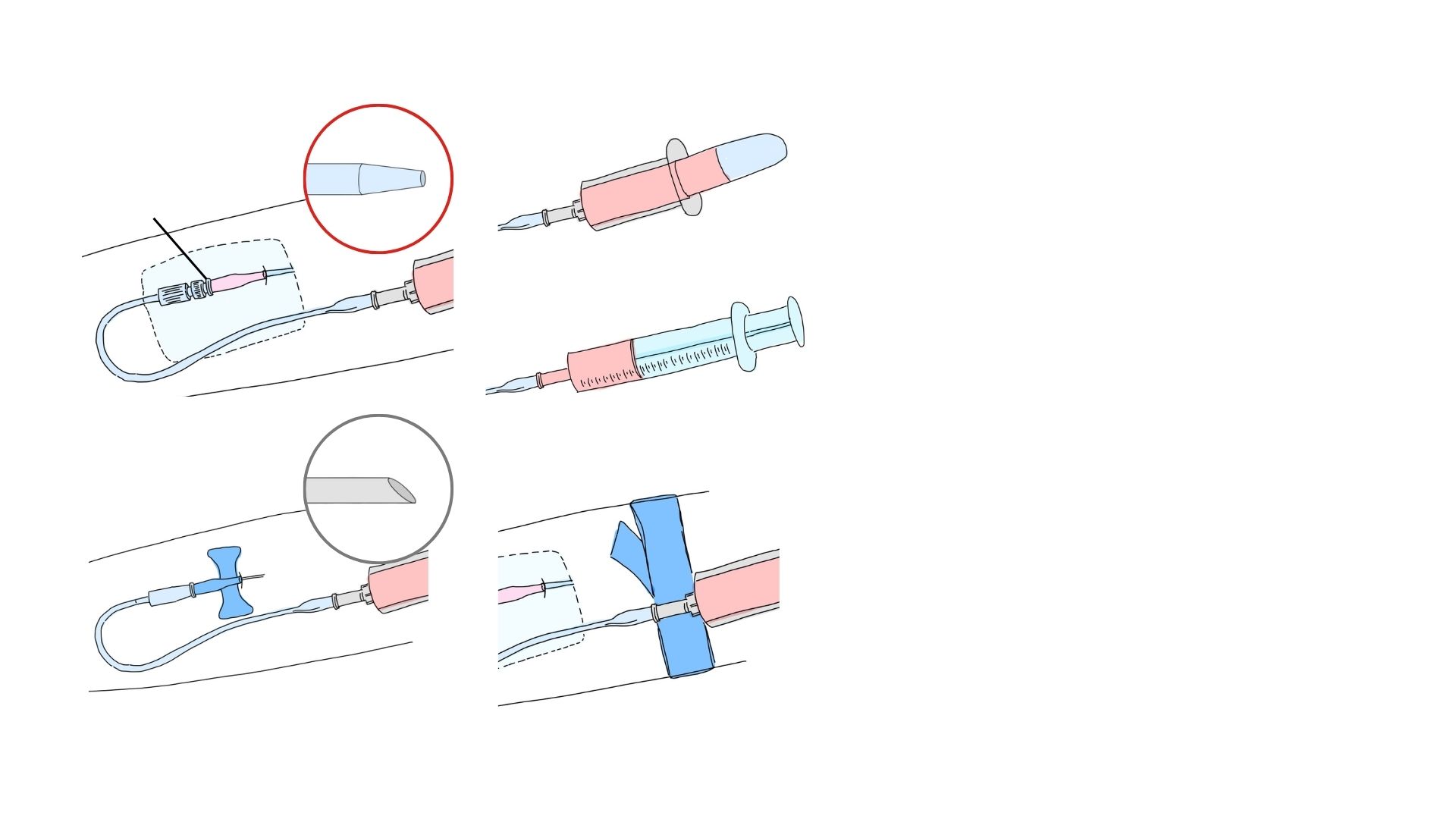
Veina’s novel blood-draw device reduces hemolysis by optimizing flow dynamics and minimizing red blood cell shearing, while seamlessly integrating into existing emergency department (ED) workflows. Blood draws in the ED are inherently different from those in other clinical settings due to the urgency of care, high patient turnover, and the need to draw blood through IV catheters rather than dedicated phlebotomy
equipment. These conditions often lead to turbulent flow and increased red blood cell damage, resulting in higher hemolysis rates. By improving blood sample integrity, Veina’s device aims to prevent repeat blood draws, which consume hospital resources, prolong nursing time, delay patient care, and increase economic losses for the ED.
This affects over 12 million patients annually.
When red blood cell membranes break apart, they release intracellular material into the bloodstream, offsetting physiological blood values and compromising key diagnostic tests, including potassium, lactate dehydrogenase (LDH), and liver enzyme levels (AST, ALT). The issue stems from blood draw techniques and equipment, such as IV catheters and syringes, that cause turbulent flow and high pressures, damaging red blood cells.
What are the main contributers to the cost?
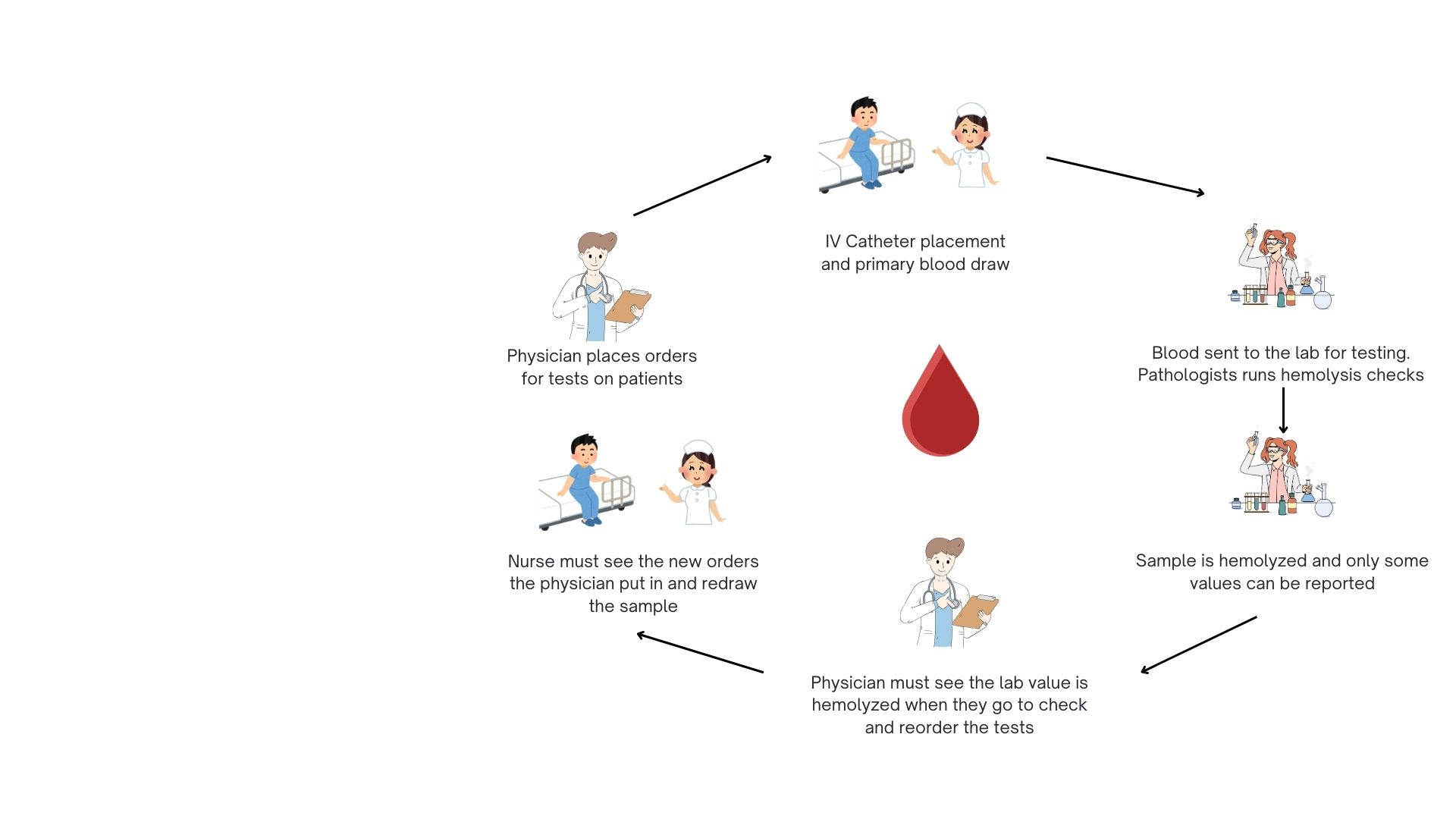
In EDs, hemolysis increases crowding, drains nursing and provider resources, and slows throughput. For a typical ED with 60,000 visits per year, the cost of material and personnel used to address hemolysis is $221,000 annually. There’s also an impact on labs as re-testing hemolyzed samples costs $3 per test and creates additional bottlenecks.